
Does a timing chain need replacement just because your vehicle has reached a certain mileage? There is no single replacement interval that applies to every timing chain. For drivers in Bridgeville and Monongahela, the right starting point is the manufacturer’s guidance for the exact vehicle and engine. If that guidance does not prescribe chain replacement, the odometer alone does not establish that a new chain is needed.
A replacement recommendation should have a clear basis: an applicable manufacturer requirement or diagnostic findings that justify the repair. A chain can still wear out even when the schedule has no replacement entry. The shop should explain what supports chain service on your vehicle rather than applying a generic mileage cutoff.
How to check the timing chain replacement interval for your vehicle
Before accepting an interval found online, confirm that it applies to your engine. Use this sequence:
- Identify the vehicle precisely. Have the model year, make, model, engine information and vehicle identification number, or VIN, available. Ask the shop to confirm the engine if you are unsure.
- Confirm whether the engine uses a timing chain or timing belt. Do not apply a timing-belt replacement recommendation to a chain without checking the manufacturer’s information.
- Read the U.S. maintenance information for that vehicle. Look in the owner’s manual and any separate maintenance or warranty guide. Check the relevant engine notes and operating-condition instructions rather than relying on a general maintenance checklist.
- Resolve any missing or unclear instructions. Ask the shop or manufacturer to verify whether there is a chain replacement requirement and whether updated service information applies to your VIN or build date.
A useful question is: “Can you show me the manufacturer requirement for this engine?” If the recommendation is based on a fault instead of a scheduled interval, ask for the diagnostic findings.
Keep the maintenance schedule and repair information separate. A schedule tells you which work the manufacturer requires at specified intervals. A technical service bulletin helps technicians address a particular condition on specified vehicles. Finding a timing-chain bulletin online does not mean every vehicle of that brand needs the repair.
Ford’s timing-chain bulletin discussed below explicitly warns owners against assuming the described condition applies to their vehicle. It also notes that manufacturer information can be updated, so an older bulletin is an example of the reasoning involved, not a substitute for checking current instructions.
What findings can justify timing chain service?
There is a difference between a reason to investigate and a reason to replace parts.
Ford’s U.S. parts information explains that timing-chain stretch can be associated with a check-engine light and excessive noise from the timing cover. Its advice when high mileage accompanies those symptoms is to obtain a diagnosis. It does not give an automatic mileage-based replacement rule. Ford’s timing-chain information supports treating those observations as reasons to investigate.
When describing a noise, tell the technician when you hear it and whether a warning light appears. Ask what testing is needed to establish its source. A noise description or a stored trouble code should lead into the applicable diagnostic procedure, rather than stand in for one.
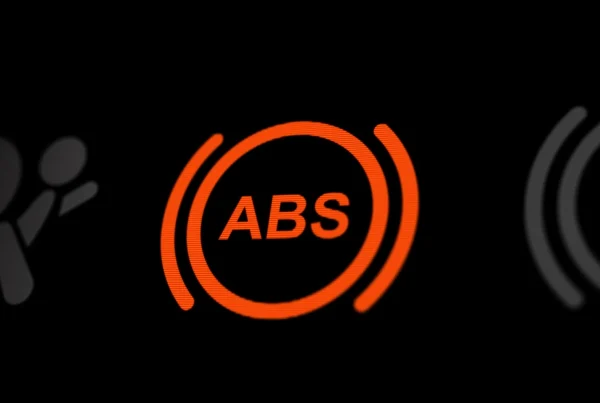
A warning light identifies a concern to diagnose. Our explanation of why an ABS light stays on offers another example of why the light alone does not identify the repair. Engine timing concerns require their own tests.
A manufacturer example: code, vehicle details and measured data
Ford TSB 17-0026 illustrates what evidence can support replacement. Published in 2017, it addresses certain 2011-2014 F-150 trucks with the 3.5L GTDI engine built on or before October 10, 2014.
The procedure checks for trouble code P0016, verifies the build date and evaluates a specified engine-timing data reading before directing primary-chain replacement. When its criteria are not met, it directs the technician back to normal diagnosis. Mileage is not the replacement criterion in that procedure. Ford TSB 17-0026, hosted by NHTSA
For an owner, the useful point is the sequence: establish that the procedure applies, perform the required checks and base the recommendation on the results. This historical example does not establish a repair rule for other trucks, engines or model years.
Does chain replacement mean replacing every related part?
The scope of timing chain service also needs a vehicle-specific explanation. Ask which parts the applicable procedure requires and which additional parts have confirmed wear.
For example, GM’s April 2014 bulletin 12-06-01-009E addresses specified High Feature V6 applications. It distinguishes normal guide wear from wear into the guide’s base friction material and says guides should not automatically be replaced with the chain kits on those covered applications. GM’s timing-chain and guide bulletin, hosted by NHTSA
That example does not mean guides should always be reused. It shows why a universal “replace everything” or “replace only the chain” answer can miss the manufacturer’s actual instructions. The estimate should connect the parts being recommended to the applicable procedure and findings.
What should a replacement recommendation explain?
Big G Tire & Auto lists timing-chain inspection and service among its maintenance and repair offerings. When reviewing a recommendation, these questions keep the discussion focused:
- Is this scheduled maintenance or a repair for a diagnosed condition? Ask which basis applies.
- What information matches it to my engine? The answer should identify the relevant schedule or service procedure and its applicability.
- What did the inspection or testing find? Ask for the recorded codes, measured results or observed wear that supports the recommendation. Request a written explanation connecting those findings to the proposed timing-chain repair.
- Why are the listed related parts included? Each should have a reason grounded in the repair procedure or condition.
Consider two vehicles that have reached the same mileage. If one has no applicable scheduled chain replacement requirement and no diagnosed chain fault, mileage alone does not establish a need for replacement. If the other meets an applicable manufacturer’s diagnostic criteria for chain wear, replacement may be justified even without a routine interval.
The decision rests on the exact vehicle’s requirements and the evidence found during diagnosis. A recommendation should make that basis understandable before you approve the work.