If your vehicle is due for its Pennsylvania state inspection, knowing what to expect can make the process easier. Pennsylvania requires most registered vehicles to undergo a safety inspection each year, and some vehicles also require an emissions inspection based on factors such as the vehicle and where it is registered.
At Big G Tire & Auto, we provide Pennsylvania state vehicle inspection services for drivers in Bridgeville, Monongahela, and surrounding Western Pennsylvania communities. Our team can inspect your vehicle, identify safety or emissions concerns, and explain any repairs that may be needed.
Why Does Pennsylvania Require Vehicle Inspections?
Pennsylvania’s vehicle inspection program is designed to help ensure vehicles operating on the road meet required safety and emissions standards.
For most passenger vehicles, the safety inspection is required annually. Certain vehicles, including some commercial vehicles, may have different inspection requirements.
Because inspection and emissions requirements can vary by vehicle and registration location, check the Pennsylvania Department of Transportation (PennDOT) requirements for your specific vehicle.
What Is Included in a PA State Safety Inspection?
A Pennsylvania safety inspection evaluates important components that affect your vehicle’s safe operation. Depending on the vehicle, the inspection can include items such as:
- Brakes and braking components
- Tires and wheels
- Steering and suspension
- Headlights, brake lights, and turn signals
- Windshield wipers and washers
- Mirrors and glazing
- Seat belts and other required safety equipment
- Horn
- Exhaust system and other required components
If an issue is found, the inspection station can explain what needs to be repaired before the vehicle can pass inspection.
What Is a PA Emissions Inspection?
Some Pennsylvania vehicles are also required to pass an emissions inspection. Emissions testing helps determine whether a vehicle meets applicable state emissions requirements.
Not every vehicle requires the same emissions testing. Requirements can depend on factors such as the vehicle’s registration location, model year, fuel type, and other state requirements.
If you’re unsure whether your vehicle requires an emissions inspection, check the current PennDOT requirements or ask your inspection station before your appointment.
How to Prepare for a Pennsylvania Vehicle Inspection
A few simple checks before your appointment can help you identify potential problems.
Check Your Tires
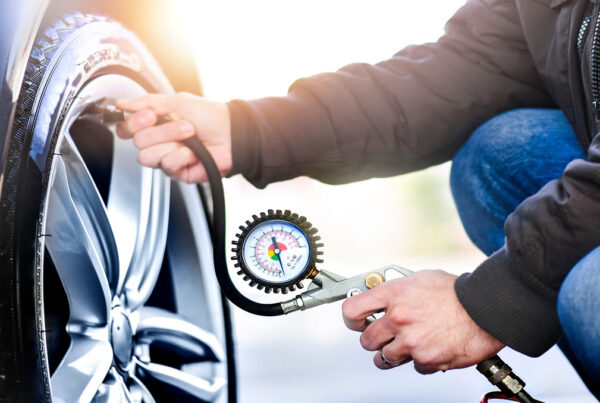
Look for low tread, uneven wear, visible damage, or incorrect tire pressure. Tires that are worn or damaged may cause your vehicle to fail its safety inspection.
Check Your Lights
Make sure your headlights, brake lights, turn signals, parking lights, and other required exterior lights are working properly.
Check Your Wipers and Windshield
Inspect your windshield for damage and make sure your windshield wipers are functioning properly and clearing the glass effectively.
Check Your Brakes
Pay attention to warning signs such as squealing, grinding, vibrations, a soft brake pedal, or a vehicle that pulls while braking. Brake problems should be addressed before your inspection.
Check for Warning Lights
If your dashboard has an illuminated warning or check-engine light, have the problem diagnosed before your inspection, particularly if your vehicle requires emissions testing.
What Happens During a PA State Inspection?
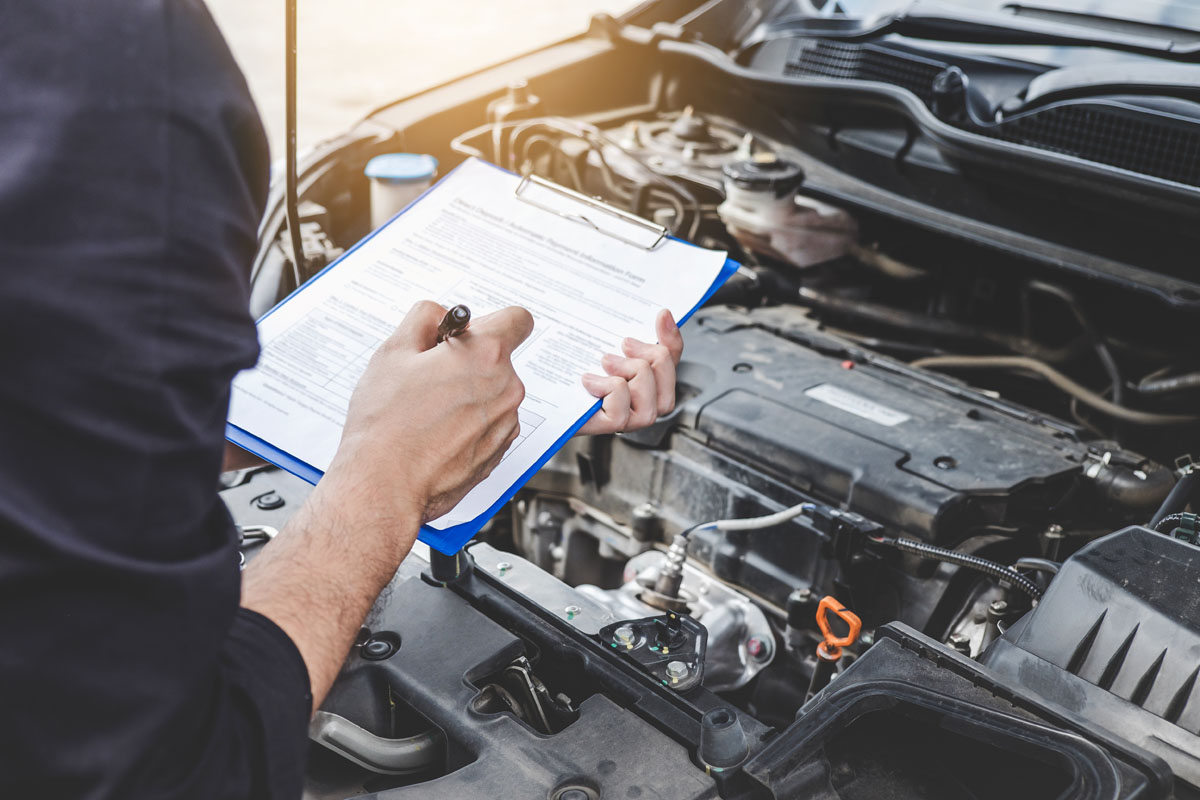
When you bring your vehicle to a licensed Pennsylvania inspection station, a qualified inspector will examine the required safety components and, when applicable, perform the required emissions testing.
The inspection focuses on whether your vehicle meets Pennsylvania’s applicable safety and emissions requirements. If your vehicle passes, the appropriate inspection documentation and sticker can be provided.
If your vehicle does not pass, you’ll receive information about the items that need attention.
What Happens If My Vehicle Fails Inspection?
If your vehicle fails its Pennsylvania inspection, the inspection station should explain the reason for the failure and what repairs are required.
Depending on the issue, repairs may include brake repair, tire replacement, wheel alignment, suspension repair, lighting repairs, or other vehicle maintenance.
After the necessary repairs are completed, your vehicle can be presented for the required reinspection.
Addressing inspection-related problems promptly can also help prevent a small repair from becoming a larger or more expensive vehicle problem.
How Often Do I Need a PA State Inspection?
Most Pennsylvania passenger vehicles require a safety inspection every year. Emissions inspection requirements vary depending on the vehicle and registration location.
Your inspection sticker can help you keep track of when your vehicle’s inspection is due. If you’re unsure when your next inspection is required, check your vehicle’s current inspection information or consult PennDOT.
PA State Vehicle Inspection in Bridgeville & Monongahela, PA
Looking for a PA state inspection station in Bridgeville or Monongahela, PA?
Big G Tire & Auto provides Pennsylvania vehicle inspection services for cars, trucks, and SUVs. Our team can inspect your vehicle’s required safety components and help identify repairs that may be needed to meet Pennsylvania inspection requirements.
We proudly serve drivers in Bridgeville, Monongahela, and surrounding Western Pennsylvania communities.
If your Pennsylvania inspection is coming due, schedule your state vehicle inspection with Big G Tire & Auto today.